

Mold temperature controller(MTC), also known as mold temperature machine, was originally used in the temperature control industry of injection molds. Later, with the development of the machinery industry, mold temperature controllers were used more and more widely. Now mold temperature controllers are generally divided into water mold temperature controllers and oil mold temperature controllers. If the selected mold temperature controller matches the temperature requirements of product molding, it can greatly improve the quality of the product and reduce the operating cost of the product.
So how to choose a mold temperature controller that matches your process requirements? Before making a purchase, consider the following important factors to ensure your system fits your production needs.
Selecting the Right Mold Temperature Controller
Selecting the right mold temperature controller requires evaluating your process needs. Consider the heat transfer medium, cooling method, and the required temperature range for your application. Assess the mold size and heat capacity, pump flow and pressure, and the capabilities of the control system. Don’t forget safety features and balance the purchase cost versus operating cost. Addressing these factors ensures consistent mold temperature, reliable performance, and long-term efficiency.
1. Heat transfer medium: thermal oil / water.
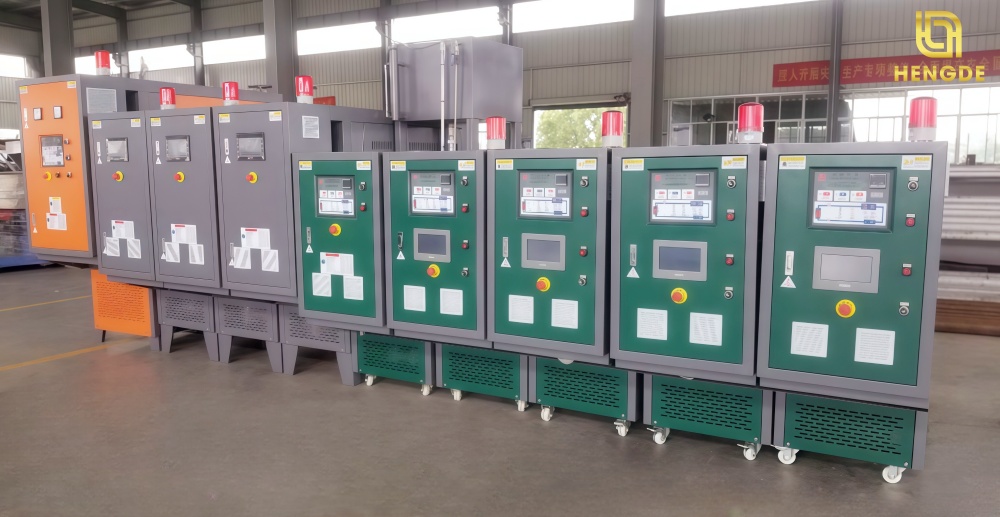
2. Cooling method: direct cooling / indirect cooling
3. Temperature control range: low temperature application / high temperature application
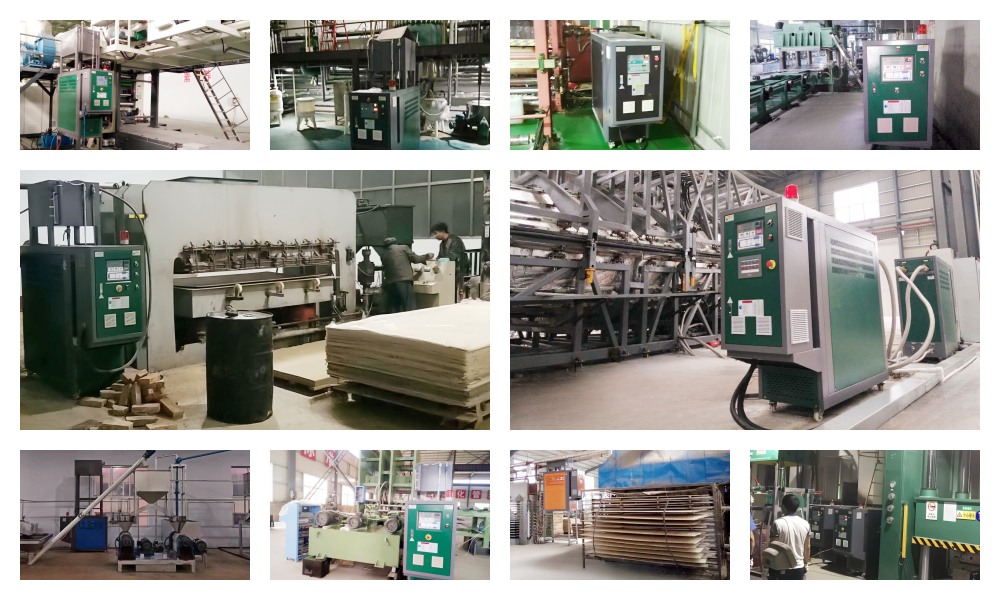
4. Mold size and heat capacity
Large molds often require mold temperature controllers(MTCs) to have sufficient heating or cooling power to quickly reach and maintain the required temperature. Molds with large heat capacity require more energy during heating or cooling. For example, a large automotive parts injection mold has a much larger heat capacity than a small plastic toy mold, so a more powerful mold temperature controller(MTC) needs to be selected. The heat capacity can be estimated by calculating the volume of the mold and the specific heat capacity of the material, thereby determining the appropriate mold temperature controller(MTC) power.
5. Pump flow and pressure
The flow of the circulation pump determines the circulation speed of the heat transfer medium (such as water or heat transfer oil) between the mold and the mold temperature controller(MTC). Insufficient flow will cause uneven mold temperature and affect product quality. Generally speaking, the flow rate is determined according to the size and complexity of the mold. For small molds, a circulation pump flow of 10-30L/min may be sufficient, while a large and complex mold may require a flow of more than 50L/min. The pressure of the mold temperature controller(MTC) must be able to overcome the resistance of the pipeline and the resistance inside the mold to ensure the smooth circulation of the heat transfer medium. If the pressure is not enough, local overheating or overcooling may occur. When selecting a mold temperature controller(MTC), consider the impact of factors such as the mold's pipeline length, pipe diameter, and number of elbows on the pressure. To meet the needs of different molds.
6. Control system
Hengde mold temperature controller(MTC) adopts imported microcomputer control mode. According to customer requirements, PLC control and RS485 communication function can be selected to achieve automatic management.
7. Safety
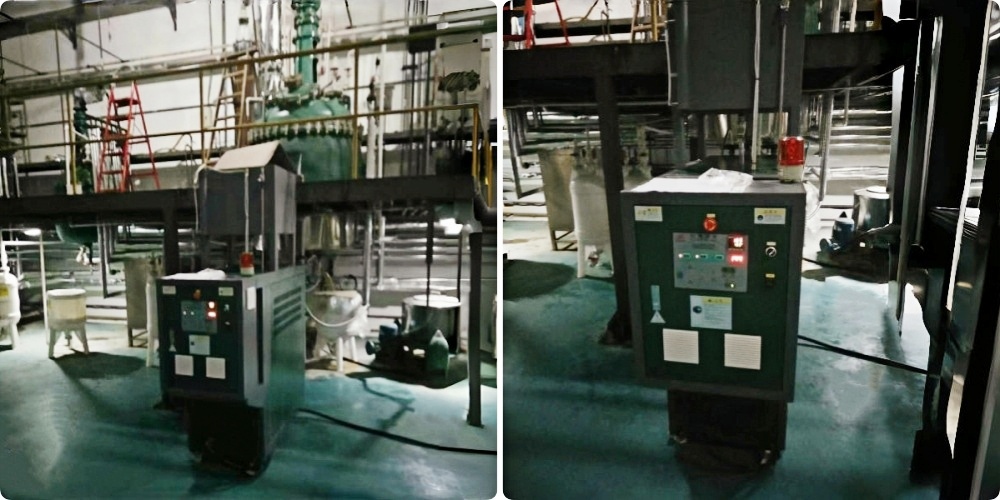
Check whether the mold temperature controller(MTC) has perfect safety functions, such as overheat protection, leakage protection, overload protection, etc. For industrial occasions with dangerous environments such as flammable and explosive gases, steam, dust, etc., such as chemical, oil and gas, pharmaceutical and other industries, when purchasing a mold temperature controller(MTC), you also need to consider the explosion-proof function and choose Hengde's explosion-proof mold temperature controller(MTC).
8. Purchase cost / operating cost
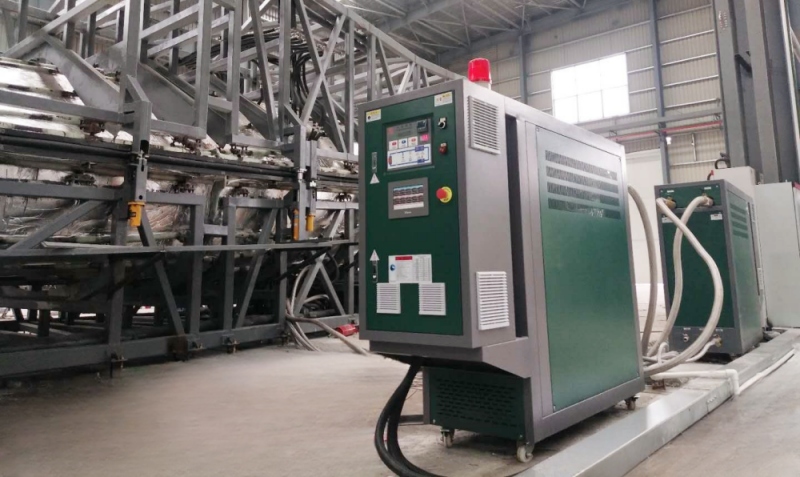
Compare the prices of mold temperature controllers of different brands and functions. Under the premise of meeting the application requirements, choose the most cost-effective mold temperature controllers(MTCs). At the same time, the operating cost of the mold temperature controller(MTC), including energy consumption, maintenance costs, etc., should also be considered. When purchasing a mold temperature controller(MTC), it is important to choose a manufacturer that offers comprehensive warranty coverage and reliable after-sales support, including timely technical assistance and accessible maintenance services. For more guidance on selecting the right manufacturer, check out our blog: How To Choose A Mold Temperature Controller Manufacturer?
Summary Table: Key Factors for Choosing a Mold Temperature Controller (MTC)
| Factor | Options / Considerations | Key Notes |
| Heat Transfer Medium | Thermal oil / Water |
Water Mold Temperature Controller(MTC): ≤200°C, high efficiency, eco-friendly, lower cost. Oil Mold Temperature Controller(MTC): up to 350°C, suitable for high-temp applications. |
| Cooling Method | Direct / Indirect |
Direct: fast cooling, improves efficiency. Indirect: precise temperature control, fine adjustments. |
| Temperature Control Range | Low-temp / High-temp |
Low-temp: plastics, water MTC ±1°C accuracy. High-temp: rubber, metal casting, oil MTC, wider range & better stability. |
| Mold Size & Heat Capacity | Small / Large molds |
Larger molds require more heating/cooling power; calculate mold volume × material specific heat to estimate required power. |
| Pump Flow & Pressure | Flow rate & system pressure | Ensure sufficient flow for even temperature; pump must overcome pipeline & mold resistance. |
| Control System | Microcomputer / PLC / RS485 | Automatic control, communication functions, and customer customization options. |
| Safety | Overheat, leakage, overload, explosion-proof | Critical in industrial or hazardous environments; choose explosion-proof models if needed. |
| Cost | Purchase cost & operating cost | Consider initial investment, energy consumption, maintenance, warranty, and after-sales support. |
For more questions about the purchase of mold temperature controllers(MTCs), please visit Hengde's website (www.hengdechiller.com). Choose Hengde, Choose Perfect Mold Temperature Controllers!
WhatsApp : +8618351969707
Email : sales@sinohengde.com
Address : No.1 Jiangyang Line, Hongqi community, Hengxi Street,Jiangning, Jiangsu, China