Water mold temperature controllers are widely used in injection molding, extrusion, die casting, rubber processing, and many other manufacturing industries. They provide precise temperature control for molds and help improve product quality, production efficiency, and cycle times. However, one issue that many factories eventually face is the gradual buildup of scale and corrosion inside the temperature control system. While these problems often develop slowly, they can significantly reduce heat transfer efficiency, increase energy consumption, and shorten equipment lifespan. So, how can scaling and corrosion be prevented before they become expensive maintenance problems?
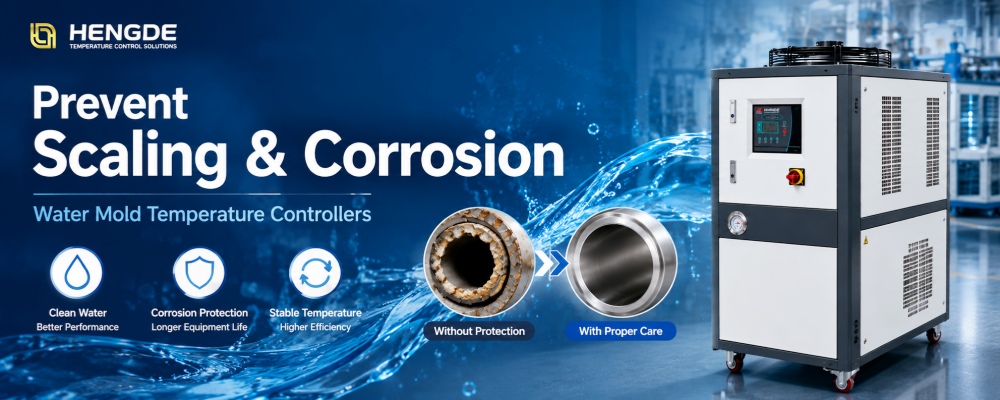
Why Scaling Occurs in Water Mold Temperature Controllers?
Scale is typically formed when minerals such as calcium and magnesium in the water precipitate and attach to the internal surfaces of pipes, heaters, pumps, and heat exchangers.At first, the buildup may appear insignificant. Over time, however, even a thin layer of scale acts as insulation between the heating element and the circulating water. As a result, the system must consume more energy to achieve the same temperature. For mold temperature controllers operating continuously in production environments, this gradual loss of efficiency can become surprisingly costly.
Hengde Unique Insight:Many users believe poor water quality is the primary cause of scaling. In reality, frequent addition of fresh water often introduces new minerals into the system, accelerating scale formation even when the original water source is relatively clean.
Corrosion: The Hidden Threat
Unlike scale, corrosion is often difficult to detect until visible damage appears. Corrosion may develop inside pipelines, pumps, heating chambers, or fittings when water chemistry becomes unstable or oxygen enters the circulation system. Over time, metal surfaces begin to deteriorate, eventually leading to leaks, reduced flow rates, and unexpected downtime. What makes corrosion particularly dangerous is that it can remain unnoticed for months before any obvious symptoms appear.
Hengde Unique Insight:In many factories, corrosion causes greater long-term efficiency losses than scale because operators usually notice scale buildup first, while internal corrosion continues silently in less visible areas.
Use Proper Water Quality
The simplest way to reduce both scaling and corrosion is to start with appropriate water.Whenever possible, manufacturers should use: Softened water / Purified water / Treated industrial water. Using untreated hard water for long periods significantly increases the risk of mineral deposits.For facilities operating multiple mold temperature controllers, routine water quality monitoring can prevent many future maintenance issues.
Avoid Frequent Water Replacement
Many operators assume that replacing water frequently keeps the system cleaner.In reality, excessive water replacement often introduces additional minerals and dissolved oxygen into the circulation loop.Unless contamination occurs, maintaining a stable water system is usually more beneficial than constantly adding fresh water.
Hengde Unique Insight:Some factories experience more scaling after implementing aggressive water replacement schedules. Stability is often more important than frequency when it comes to water management.
Perform Regular Cleaning and Maintenance
Even with proper water treatment, some deposits may eventually form. Regular inspection helps identify problems before they affect production. Maintenance procedures may include:
Factories that wait until heating performance drops significantly often face longer downtime and higher maintenance costs.
Pay Attention During Long Shutdown Periods
Many manufacturers focus on maintenance during operation but overlook equipment conditions during shutdown periods.When water remains stagnant inside the system for extended periods, oxygen concentration and water chemistry may change, creating favorable conditions for corrosion.
Hengde Unique Insight:For some mold temperature controllers, corrosion progresses faster during long idle periods than during normal production because water circulation no longer provides a stable operating environment.
Before extended shutdowns, it is often beneficial to drain the system or follow the manufacturer's storage recommendations.
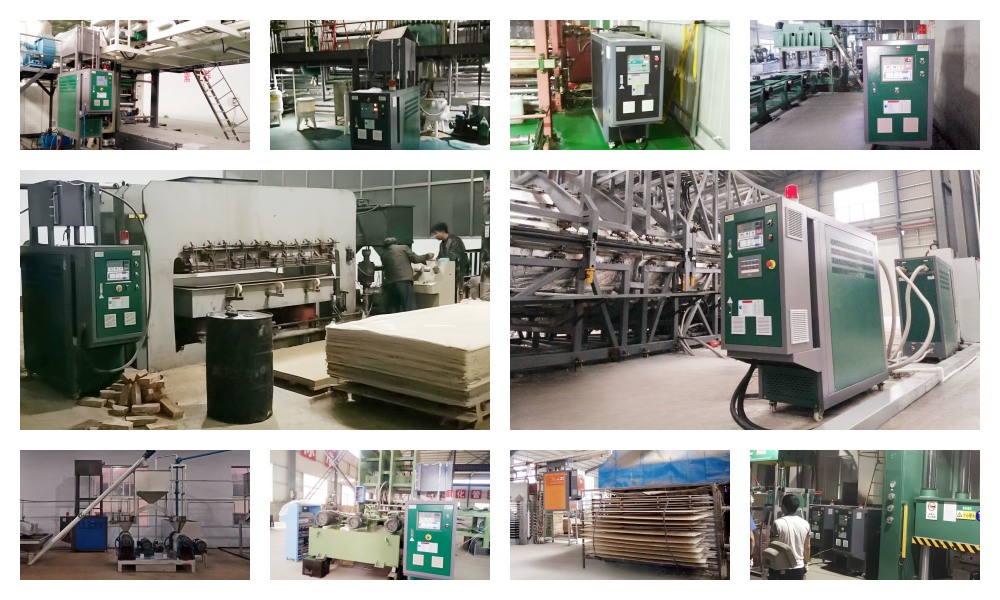
Choose Equipment Designed for Long-Term Reliabilit
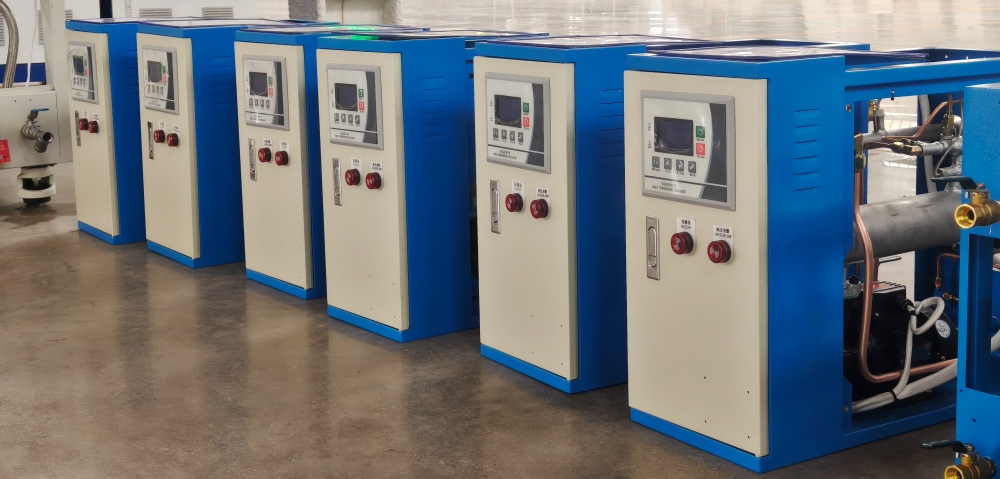
Preventing scaling and corrosion is not only about maintenance. Equipment design also plays an important role. High-quality water mold temperature controllers typically incorporate:
When selecting equipment, users should consider long-term operating costs rather than focusing solely on initial purchase price. For example, a properly designed Water Mold Temperature Controller can maintain stable heat transfer efficiency for years when combined with appropriate maintenance practices.
Users comparing different heating media may also benefit from understanding the differences between water-based and oil-based temperature control systems. More details, you can check this article. Water Vs. Oil Mold Temperature Controllers: Which One Is Right For You?
Additional guidance on selecting the right temperature control unit can help optimize production efficiency. How To Select A Mould Temperature Controller (MTC)?
For manufacturers seeking broader temperature control solutions, exploring the complete Mold Temperature Controller category can provide valuable insights.
Hengde Unique Insight:
Scaling and corrosion are among the most common causes of reduced performance in water mold temperature controllers. While they may seem like minor maintenance issues at first, they can gradually increase operating costs, reduce temperature control accuracy, and shorten equipment lifespan.
By using appropriate water quality, maintaining stable operating conditions, performing regular inspections, and selecting well-designed equipment, manufacturers can significantly extend the service life of their systems and maintain consistent production performance.
At Hengde, we have over 20 years of experience designing and manufacturing industrial temperature control equipment. Our water mold temperature controllers are engineered for reliable operation, efficient heat transfer, and long-term durability, helping customers minimize maintenance issues while maximizing production efficiency.
Tags :
WhatsApp : +8618351969707
Email : sales@sinohengde.com
Address : No.1 Jiangyang Line, Hongqi community, Hengxi Street,Jiangning, Jiangsu, China