

A mold temperature controller (MTC) plays a key role in stabilizing mold temperature and ensuring consistent product quality in injection molding, die-casting, extrusion, hot-pressing, and many other industrial processes. Whether you are using a water mold temperature controller (MTC) or an oil mold temperature controller(MTC), equipment failures can quickly disrupt production and lead to higher scrap rates or machine downtime.
To help operators deal with issues more efficiently, this article summarizes common failure points and practical solutions. Below is the troubleshooting table used by most technicians for quick diagnosis.
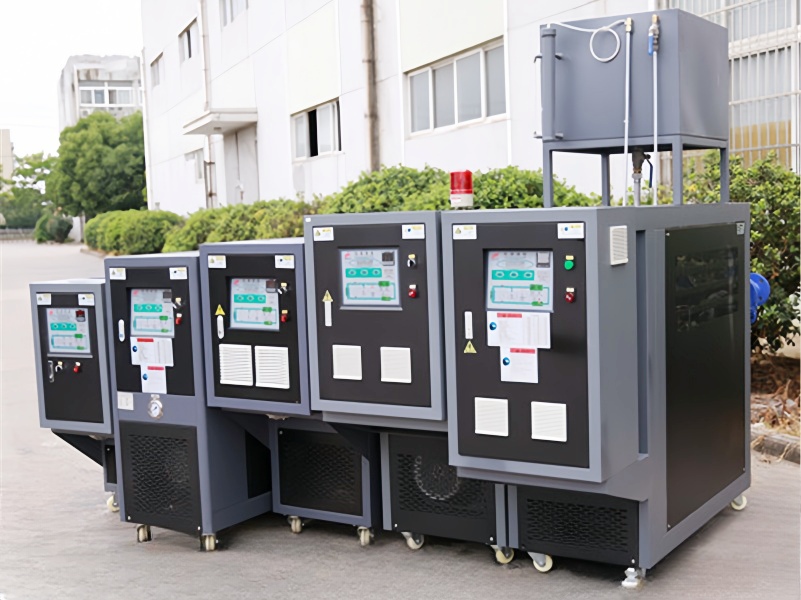
Common Problems for Mold Temperature Controllers (MTCs)
| Common Problems |
|
|
| 1. Unable to start, no fault indicator light. |
|
|
|
|
|
|
|
|
| 2. The indicator light for lack of media is on. |
|
|
|
|
|
|
|
|
| 3. Pump overload light on. |
|
|
|
|
|
| 4. The temperature is too high and cannot be cooled. |
|
|
|
|
|
| 5. Unable to heat or reach a certain temperature and no longer rise |
|
|
|
|
|
| 6. The fault light is on and the alarm does not sound |
|
|
| Note:If the mold temperature controller is overheating, please see our other article: "Troubleshooting Guide: Mold Temperature Controller Overheating Issues". | ||
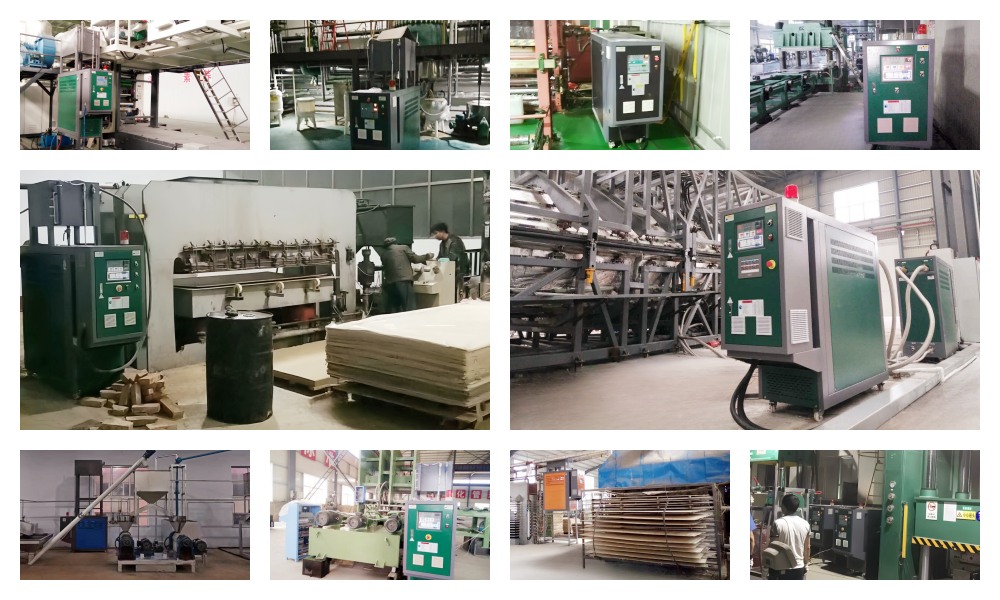
Why These Problems Occur
Most issues with a mold temperature controller (MTC) come from wear, improper settings, incorrect installation, or unstable cooling/heating supply.
Regular cleaning, checking of electrical connections, and monitoring temperature accuracy can effectively prevent most failures.
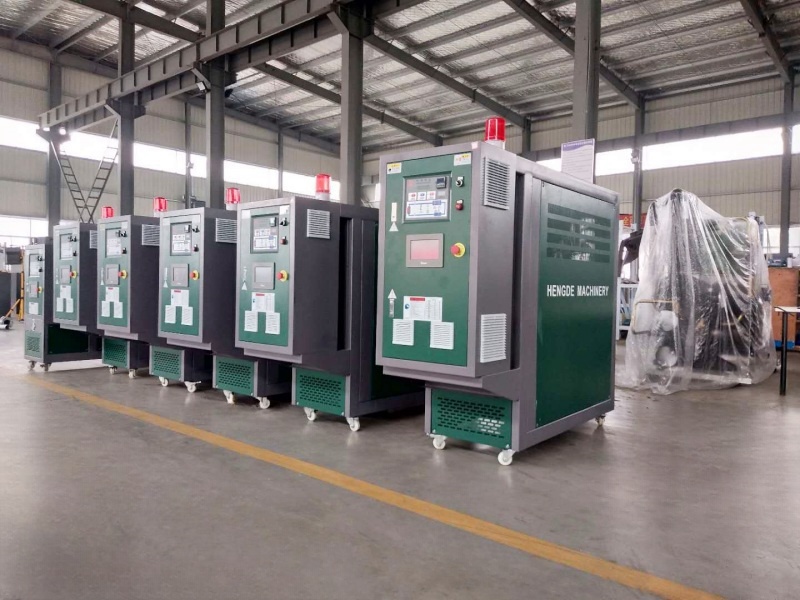
How to Prevent Mold Temperature Controller Problems
Here are some effective preventive methods to keep your mold temperature controller (MTC) running smoothly:
1. Maintain stable cooling water pressure
Especially important for water mold temperature controllers (MTCs), as insufficient flow will cause overheating.
2. Use high-quality thermal oil
For oil mold temperature controllers (MTCs), poor-quality thermal oil can carbonize, leading to blocked pipelines and heater damage.
3. Clean heat exchangers and pipelines regularly
Scale buildup reduces heat-transfer efficiency and may trigger overheating alarms.
4. Check electrical components
Loose wiring, aging relays, or unstable voltage can cause frequent restarts, alarms, or shutdowns.
5. Ensure correct set temperatures
Incorrect setpoints can make the controller continuously heat or cool, increasing wear and error rates.
Conclusion
A mold temperature controller(MTC) is a key device for precise temperature management. By understanding and addressing these common faults and their corresponding solutions, users can ensure the smooth and efficient operation of mold temperature controllers (MTCs), maximizing their productivity and minimizing downtime.
Whether you are using a water mold temperature controller (MTC) or an oil mold temperature controller (MTC), proper maintenance and timely troubleshooting will significantly improve performance.
If you need support or want a customized temperature control solution, our technical team is ready to help (www.hengdechiller.com).
Choose Hengde, Choose Perfect Mold Temperature Controller!
| Hengde Water Type Mold Temperature Controllers | Hengde Oil Type Mold Temperature Controllers |
|
|
|
WhatsApp : +8618351969707
Email : sales@sinohengde.com
Address : No.1 Jiangyang Line, Hongqi community, Hengxi Street,Jiangning, Jiangsu, China