

Achieving precise mold temperature control is critical for consistent product quality, reduced cycle times, and improved energy efficiency. Optimizing your mold temperature controller (MTC) settings can make the difference between high scrap rates and smooth, reliable production. This step-by-step guide provides practical tips for both water mold temperature controllers and oil mold temperature controllers.
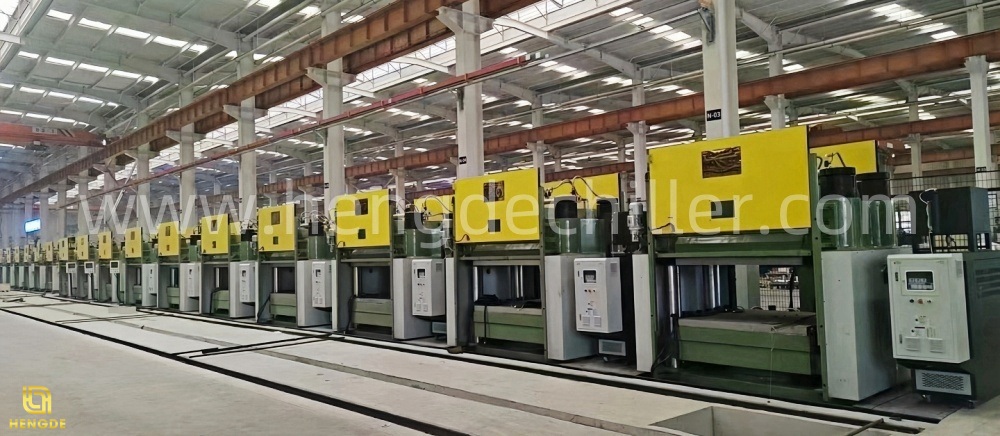
Step 1: Understand Your Process Requirements
Before adjusting any settings, gather information about your production process:
Understanding these factors ensures that the MTC settings are tailored to your production needs rather than using generic defaults.
Step 2: Configure Temperature Setpoints and Install the MTC
For detailed installation guidance, refer to: Essential Precautions And Pro Tips For Mold Temperature Controllers
Step 3: Optimize Flow and Circulation
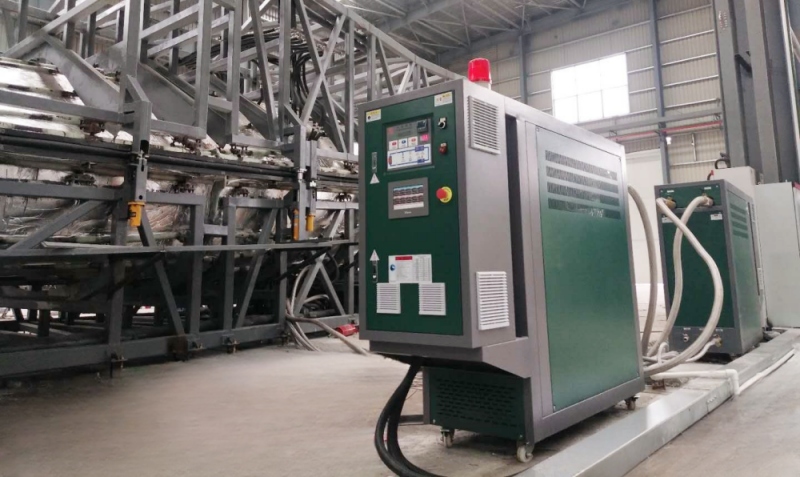
Step 4: Fine-Tune PID Control Parameters
More debugging steps, refer to: How to Debug a Mold Temperature Controller?
Step 5: Monitor and Adjust During Production
1.Record temperature at multiple points on the mold to detect deviations.
2.Make minor adjustments to flow rate or PID parameters as needed.
3.Regularly inspect the heat transfer medium for contamination or degradation.
4.Use alarms and automated controls to maintain consistent operation without constant manual intervention.
Step 6: Preventive Tips for Long-Term Performance
Frequently Asked Questions on Optimal MTC Settings
Q1: How often should I check or adjust MTC settings?
For stable production, review settings every 3–6 months or after significant mold or material changes.
Q2: How do I avoid overheating molds with an oil MTC?
Gradually ramp up temperatures and monitor multiple mold points. Ensure alarms and over-temperature protection are enabled.
Q3: What is the best approach for large molds with multiple cavities?
Measure temperature at several locations, adjust flow balance, and fine-tune PID for each mold zone if possible.
Q4: How can I minimize energy consumption while maintaining precise control?
Use a medium circulation strategy that provides uniform flow without excessive pump speed and optimize heating duration.
Optimizing your mold temperature controller (MTC) settings is more than just a technical task — it directly impacts product quality, production efficiency, and energy usage. By carefully configuring temperature setpoints, ensuring uniform flow, fine-tuning PID parameters, and monitoring performance during production, manufacturers can achieve stable, predictable, and high-quality outcomes.
Consistent attention to preventive maintenance and data-driven adjustments ensures that both water mold temperature controllers and oil mold temperature controllers continue to deliver reliable performance, helping production lines run smoothly and efficiently over the long term.
WhatsApp : +8618351969707
Email : sales@sinohengde.com
Address : No.1 Jiangyang Line, Hongqi community, Hengxi Street,Jiangning, Jiangsu, China