
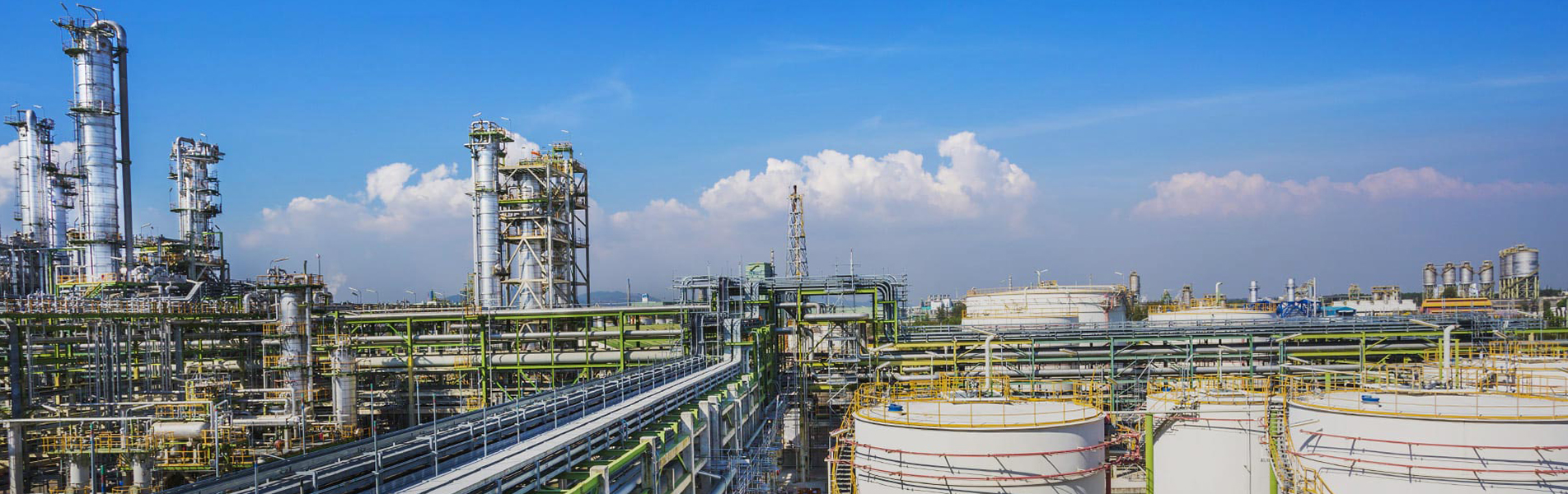
R22 was once widely used in industrial refrigeration because it offered practical cooling performance and was familiar to equipment manufacturers and service technicians. However, environmental regulations and the need to reduce greenhouse gas emissions have changed the refrigerant market. Today, industrial chiller buyers increasingly evaluate alternatives with lower Global Warming Potential (GWP), alongside energy efficiency, safety, reliability and long-term serviceability.
For manufacturers, the transition is not simply a matter of replacing one refrigerant with another. Refrigerant properties affect compressor operation, heat exchanger performance, system pressure, lubricant compatibility and overall chiller design. Choosing the right alternative requires looking at the complete cooling system rather than comparing GWP figures alone.
Quick Answer
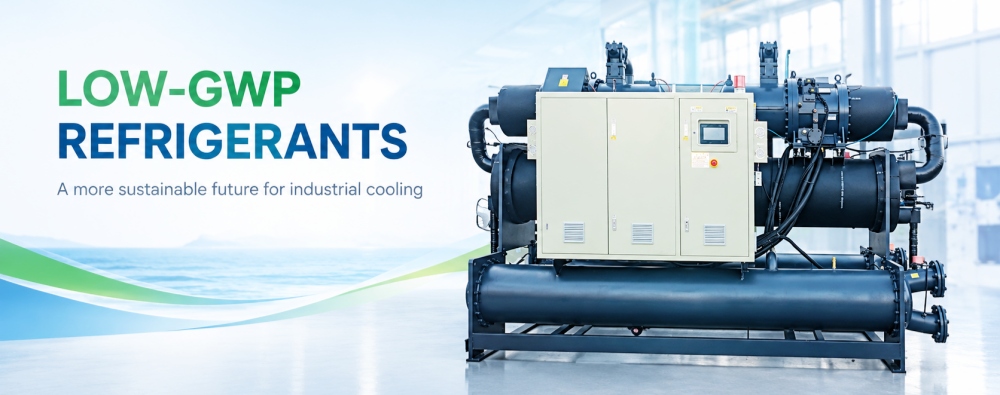
Low-GWP refrigerants are replacing R22 mainly because R22 damages the ozone layer and also has a high global warming impact. Under the Montreal Protocol and its subsequent amendments, countries have phased out or restricted the production and consumption of ozone-depleting substances, including HCFC-22, according to their applicable schedules.
New industrial chillers increasingly use refrigerants with lower environmental impacts, while owners of existing R22 equipment must consider local regulations, refrigerant availability, maintenance costs and the remaining service life of their machines.
The important distinction: low GWP does not automatically mean better energy efficiency or a direct, drop-in replacement. The right choice depends on the application and the equipment design.
1. Why Is R22 Being Phased Out?
R22, also known as HCFC-22, belongs to the hydrochlorofluorocarbon family. It has two important environmental drawbacks: it depletes the ozone layer and contributes to global warming when released into the atmosphere.
The Montreal Protocol established international controls on ozone-depleting substances, including HCFCs. Countries have implemented phase-out schedules, with the timing and restrictions depending on their national commitments and regulations.
At the same time, refrigerant policy has expanded beyond ozone protection. For example, the European Union's F-gas Regulation (EU) 2024/573, which began applying in March 2024, introduces tighter controls on fluorinated greenhouse gases and accelerates the transition toward lower-emission technologies. The specific requirements depend on the equipment category, refrigerant and market.
For industrial chiller owners, this transition has practical implications. Refrigerant availability, servicing requirements, future equipment compliance and long-term operating costs all deserve attention when planning a new installation or deciding whether to replace an aging machine.
2. What Does GWP Mean for Industrial Chillers?
Global Warming Potential measures how much heat a greenhouse gas traps in the atmosphere relative to carbon dioxide over a specified period, commonly 100 years. Carbon dioxide is assigned a reference value of 1.
The lower the GWP, the lower the refrigerant's potential climate impact for an equivalent mass released. However, GWP is only one part of the environmental and technical picture. Energy consumption, refrigerant leakage, equipment lifetime and end-of-life recovery also matter.
Consider these examples of refrigerants used or considered in chiller applications:
| Refrigerant | Approximate 100-year GWP* | Key consideration |
| R22 | 1,810 | Ozone-depleting HCFC;subject to phase-out controls |
| R513A | 630 | A1 safety classification; used in selected equipment designed for it |
| R1234ze(E) | 1.37 | Very low GWP; A2L classification |
| R290 (propane) | 0.02 | Very low GWP; A3 flammability classification |
*GWP values depend on the assessment basis and regulatory source. Figures above use commonly cited values; verify the applicable standard for formal comparisons. Alternative refrigerants are not automatically compatible with existing R22 equipment.
These refrigerants are not interchangeable across all industrial chiller designs. Compressor type, operating pressure, required cooling temperature, safety classification and applicable codes determine which options are practical.
3. Which Refrigerants Can Replace R22 in Industrial Chillers?
There is no universal replacement for every R22 chiller. The right refrigerant depends on the cooling duty and whether the project involves new equipment or an existing system.
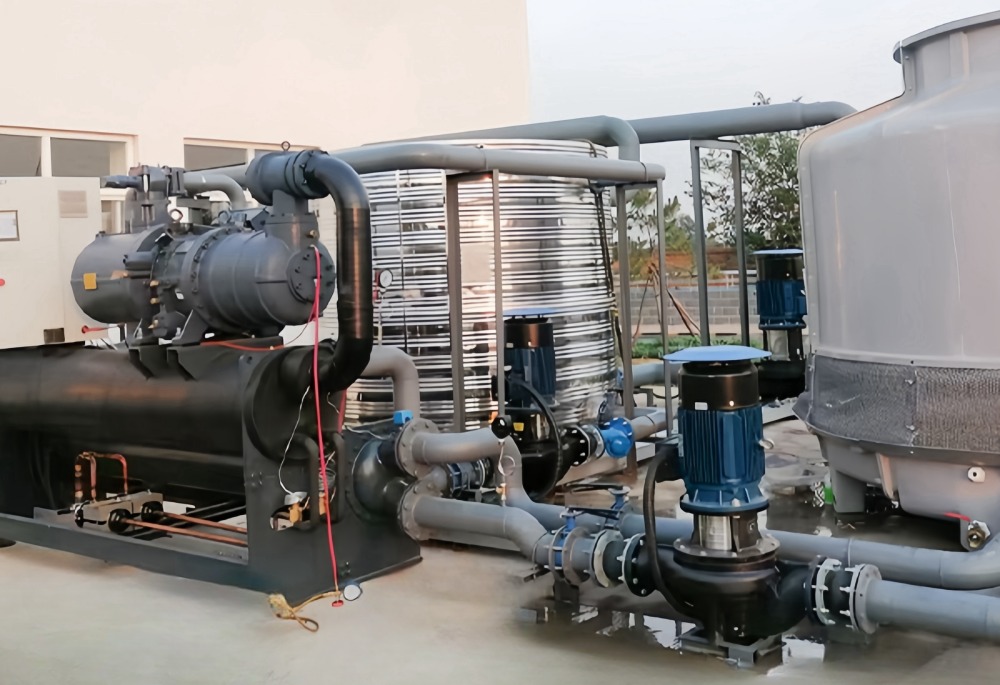
For new industrial chillers, manufacturers may evaluate refrigerants such as R1234ze(E), R513A, R290, ammonia or carbon dioxide, depending on the chiller architecture, capacity and application. Each has different performance and safety characteristics. Some are more appropriate for specific temperature ranges or large industrial systems than others.
For example, R1234ze(E) has very low GWP but is classified A2L, meaning it has lower flammability under the relevant safety standard. Propane has an extremely low GWP but is classified A3, requiring suitable risk controls and equipment design. R513A is classified A1 but has a substantially higher GWP than R1234ze(E) or propane.
For an existing R22 chiller, changing refrigerant is more complicated. The compressor, lubricant, seals, expansion device, pressure limits and heat exchangers must all be assessed. A refrigerant that works in a new machine may not be an approved retrofit option for an older one.
Hengde Insight:The most useful question is not, “Which refrigerant has the lowest GWP?” It is, “Which refrigerant can meet the required cooling duty safely and efficiently throughout the expected service life of this chiller?” A refrigerant with a lower GWP may require a different system design, additional safety measures or a different compressor. Those factors should be considered before making a purchasing decision.
4. Does a Low-GWP Refrigerant Automatically Improve Energy Efficiency?
Not necessarily. A refrigerant affects the thermodynamic performance of the refrigeration cycle, but actual chiller efficiency also depends on the compressor, evaporator, condenser, expansion device, control strategy and operating conditions.
Two chillers using different refrigerants should therefore be compared at the same design conditions, including chilled-water outlet temperature, heat-rejection conditions and cooling capacity. Otherwise, the comparison may be misleading. For industrial users, the most useful performance indicators include:
- Cooling capacity: Can the unit handle the actual process heat load?
- Energy efficiency: How much electricity does the chiller consume at the required operating conditions?
- Operating range: Can it maintain the target temperature during seasonal changes and production peaks?
- Serviceability: Are qualified technicians and suitable refrigerant supplies available in the operating market?
- Lifecycle cost: What are the expected costs of electricity, maintenance, refrigerant and eventual replacement?
Hengde Insight:When comparing chillers, ask suppliers for performance data at your actual operating temperatures instead of relying on a headline efficiency figure. A chiller that performs well at standard conditions may deliver different results when supplying low-temperature process water or operating in a hot factory environment.
5. Should You Replace an Existing R22 Chiller or Buy a New One?
The decision depends on the machine's age, condition, cooling performance, repair history and local refrigerant regulations.
If an existing chiller remains reliable and compliant with applicable requirements, a professional assessment may help determine whether continued operation is reasonable. Refrigerant must be recovered and handled according to applicable rules; it should never be deliberately vented.
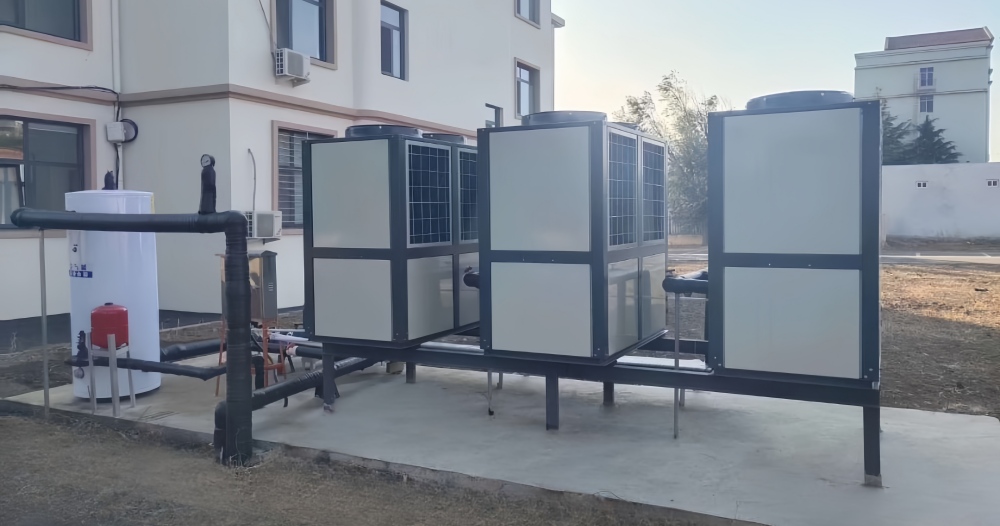
If the unit has frequent breakdowns, declining efficiency, expensive repairs or limited refrigerant-service options, replacing it may offer better long-term value. Before making the decision, ask a qualified refrigeration specialist to review:
- The chiller's original refrigerant and compressor model
- Current cooling capacity and energy consumption
- Refrigerant availability and applicable regulations
- Whether an approved retrofit is technically feasible
- The cost of continued maintenance compared with replacement
A refrigerant conversion should only proceed when the equipment manufacturer or a qualified specialist confirms compatibility and an appropriate procedure.
Hengde Industrial Chillers and Refrigerant Selection
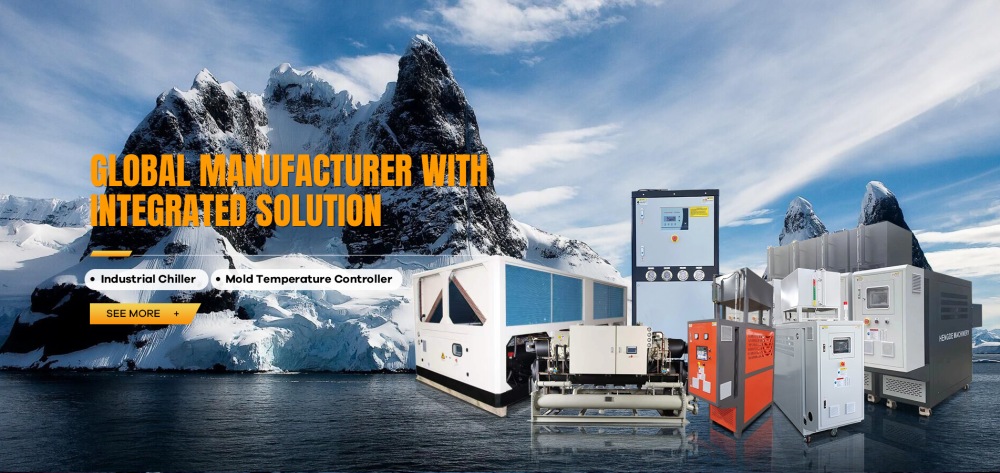
Hengde is a manufacturer of industrial chillers and temperature-control equipment, with products including air-cooled chillers, water-cooled chillers, scroll chillers, screw chillers and low-temperature chillers. Founded in 2010, the company provides cooling solutions for industrial production applications and can assess project requirements such as cooling capacity, chilled-water temperature, ambient conditions and power supply.
For customers planning a new industrial chiller or upgrading an older R22 system, refrigerant selection should be part of the initial technical discussion. Hengde can help evaluate the required cooling performance and equipment configuration, while the final refrigerant choice must be confirmed against the selected compressor, system design, safety requirements and destination-market regulations.
Learn more at the official website: https://www.hengdechiller.com.
FAQ
1. Why is R22 being phased out?
R22 contributes to ozone depletion and global warming. International agreements and national regulations have restricted its production and use according to applicable phase-out schedules.
2. Can R513A directly replace R22?
Not automatically. R513A is used in certain equipment designed for it, but compatibility with an existing R22 chiller must be confirmed by the manufacturer or a qualified refrigeration specialist.
3. Does a lower-GWP refrigerant always reduce electricity consumption?
No. GWP measures climate impact, not energy efficiency. Chiller performance must be evaluated at comparable operating conditions.
4. What should buyers consider when selecting a low-GWP industrial chiller?
Consider cooling capacity, operating temperatures, energy consumption, refrigerant safety classification, service availability, regulatory compliance and lifecycle cost.
5. Is replacing an old R22 chiller always necessary?
Not necessarily. The decision depends on the unit's condition, applicable regulations, refrigerant availability, operating costs and remaining service life.
Conclusion
The transition away from R22 is driven by environmental protection, regulatory changes and the development of alternative refrigeration technologies. However, selecting a low-GWP refrigerant is not simply an environmental checkbox. It is an engineering decision that affects safety, efficiency, maintenance and long-term equipment reliability.
For industrial chiller buyers, the best approach is to evaluate the complete cooling system, compare performance at real operating conditions and confirm that the chosen refrigerant is suitable for the equipment and local regulations. A well-planned selection can help balance environmental objectives with dependable industrial cooling.
WhatsApp : +8618351969707
Email : sales@sinohengde.com
Address : No.1 Jiangyang Line, Hongqi community, Hengxi Street,Jiangning, Jiangsu, China